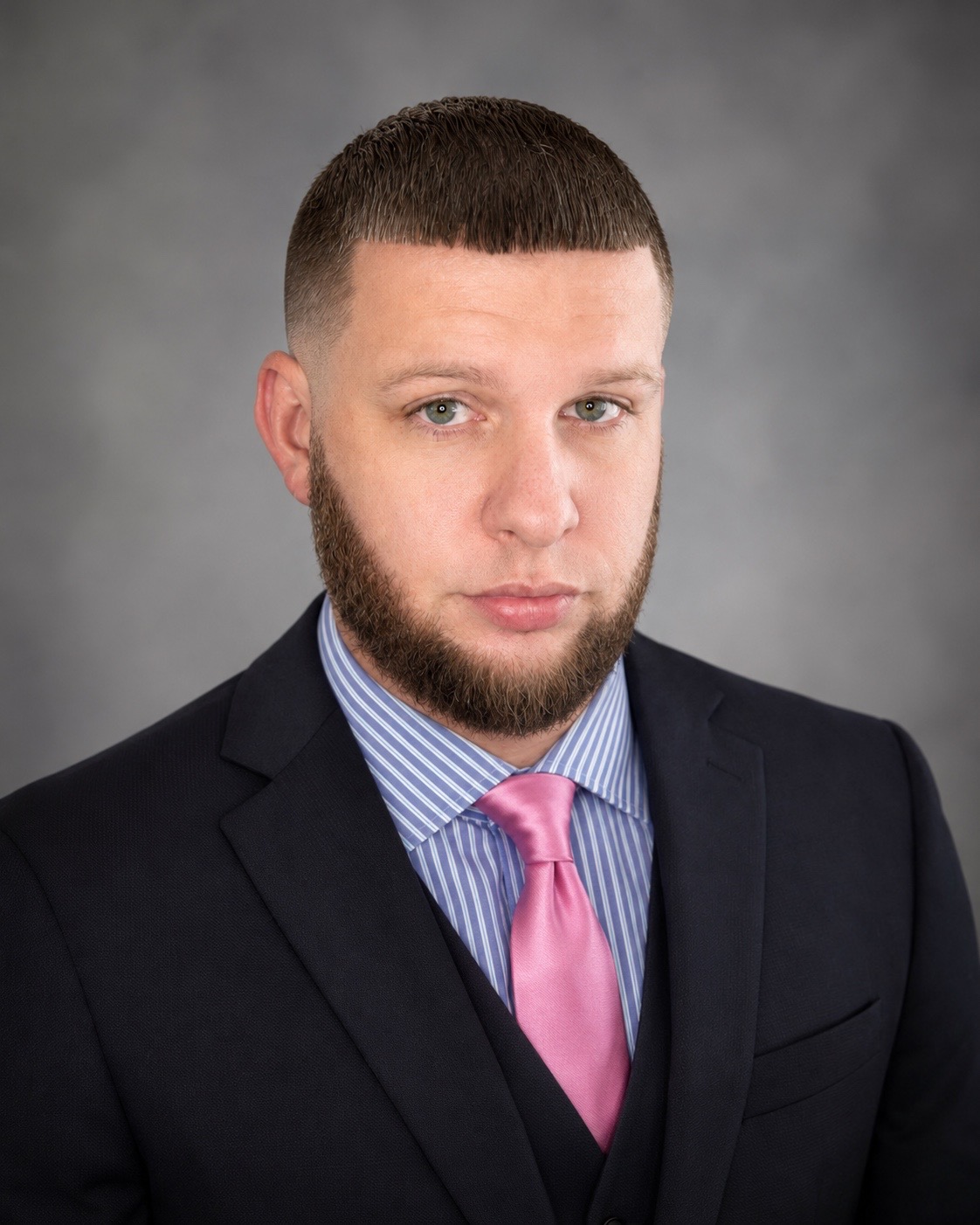
I am sharing my account because the conviction is public, while much of what I believe matters about the case has remained unheard. I want people to understand what I experienced, review the material available, and recognize the human consequences of a conviction that remains disputed by the person living with it.
How it began
In May 2008, I met a young man through MySpace. According to what I saw on his profile, he was 19. I later learned that he was 16. As recorded in the 2012 clinical letter, I told the evaluator that I ended the relationship when I learned his actual age. I denied the sexual contact alleged in the case.
Before there was an accusation, there was a demand. The person who later accused me sent a text demanding $10,000, with a threat to make my life a living hell if I refused.
I did not pay. The accusation followed.
Who stood to gain? What happened when I refused? Why wasn’t the jury allowed to see the communications I believed exposed the motive?
This is why I call it an extortion attempt. These are allegations I make, not findings established by the documents published here.
I also recall information about a separate incident shortly before we met: that the young man had left home, stayed with another person, and used his mother’s credit card to order pizza, which helped his family locate him. I believe that incident was relevant to the background of my case. The underlying records are not included here, and I do not present that recollection as proof that the charged conduct did or did not occur.
Arrest and trial
According to my written account, I was arrested on December 22, 2008, and spent approximately 15 months in the Bexar County jail before being released on a personal bond. My trial began on August 16, 2010. The jury found me guilty on August 19.
I went to trial believing the evidence would show the jury that I had not committed the crime. I wanted the jury to see communications and online material that I believed supported my account, including text messages, emails, Yahoo messages, MySpace messages, and profile information. Instead, the visiting judge excluded crucial messages, witnesses I believed could help my defense were not heard, and my attorney insisted that I not testify, telling me it was in my best interests. I am not presenting the use of a visiting judge, by itself, as proof that the trial was unlawful, and the documents supplied here do not establish that the court prohibited me from testifying during the guilt phase.
The jury convicted me without hearing my account from me.
When I finally spoke
Only afterward, when I took the stand to ask for probation instead of prison, did I finally explain what had happened: the demand for $10,000, the threat, and the circumstances behind the accusation. I recall the prosecutor trying to limit my testimony as I explained those details. From where I stood, the jury appeared stunned. They asked about giving me time served, but the judge refused to allow it.
By the time they heard what I had to say, they had already found me guilty.
My recollection is that the prosecutor sought ten years, and that the jury was instructed that the minimum term was two years. I remember the jury agreeing on two years, followed by the judge imposing five years of probation.
These sentencing details reflect my recollection. The judgment, jury charge, jury communications, and punishment transcript are needed to establish precisely what was requested, recommended, and ordered. My supplied narrative states that I completed five years of intensive probation.
The evaluation that followed
During the years that followed, I underwent evaluations and polygraph examinations. I recall passing the examinations I took. A letter dated April 17, 2012, from Sona S. Nast, LCSW, LSOTP, documents the outcomes of two examinations in particular.
The letter was addressed to Rosalinda Vasquez at Travis County CSCD. It states that the first examination addressed whether I had performed the specific sexual act alleged in the case and reports that I passed. It states that a second examination, concerning a history of sexual contact with a minor, also showed no deception.
Based on those two examinations and the information available at that time, Ms. Nast wrote that it appeared I did not have a history of deviant sex with minors and that I did not appear likely to benefit from sex offender treatment.
That letter matters to me. It records an evaluation that supports important aspects of what I have consistently said. It is a clinical opinion, not a court finding of innocence or an order overturning my conviction. Polygraph results do not, by themselves, establish innocence.
I recall asking probation personnel to take the matter back to the judge or the district attorney’s office. In my experience, that did not happen.
The consequences did not end with probation
In my written account, I described ongoing registration, harassment, harmful online commentary, and attempts to use my status to pressure me. Completing probation did not mean that the consequences ended.
A public record can follow a person into a business conversation, a neighborhood, a family relationship, or an opportunity to rebuild. I have lived that reality while continuing to work, provide for my family, and serve others.
I maintain my innocence. I am not claiming that my conviction has been vacated or that a court has exonerated me. I am asking for my account to be heard and for the available documents to be read accurately.
A demand for money. A threat. An accusation. And a conviction I have spent years maintaining was wrongful.
Why I am speaking now
For years, I tried to protect my family and my work from this part of my life. Silence did not bring peace. It left other people to tell the story for me.
I am speaking because I believe people deserve a justice system that hears the defense, examines relevant evidence, and treats every person fairly. I want to use what I have lived through to encourage careful judgment, meaningful accountability, and the possibility of rebuilding a life.
My faith has carried me through years I would not wish on anyone. I believe God knows the truth. My responsibility is to keep telling my story honestly and keep doing the work in front of me.
I am still here. I am still building. I am still seeking justice.